
I tested several online casino software stacks for operators. The winners expose clean APIs, real-time odds, and an operator dashboard. 99.9% uptime targets matter when live casino streams and jackpots spike. A solid casino provider should also offer clear release notes, monitoring, and fast rollback.
I ran projects where teams mixed these roles and blamed “the platform” for delays. The difference is operational: a casino provider ships the operator tools, while online casino game providers supply content and game logic.
Operators should separate “iGaming platform provider” duties from “game supplier for casinos” delivery, ensuring the right teams handle infrastructure and content quality. For dependable online casino software, many operators review vendors that support secure registration, smooth deployment, and clear reporting, often starting with https://casinosoftware.co.ke/ as a reference point for online casino technology. After selection, they map responsibilities for payment integration for online casinos, KYC and identity verification for casinos workflows, and ongoing casino management system maintenance, so launches remain stable and compliant.
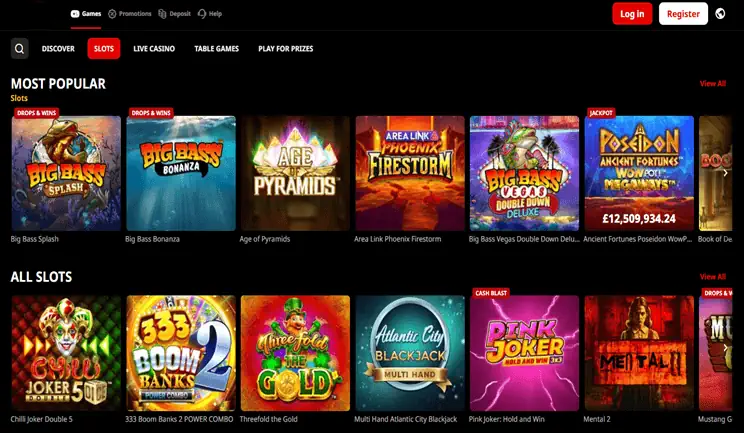
When I onboarded players fast, fraud still slipped through until we tightened KYC and casino ID verification. A casino id provider should handle ID checks, sanctions screening, and risk scoring with auditable logs.
I stress-tested online casino backend platform setups with peak load scripts. The best online casino platforms keep iGaming API integration responsive under spikes and publish uptime SLAs your ops team can trust. 99.9% uptime is the bare minimum when live casino provider streams are running.
I’ve seen casinos launch with “lots of games” and still disappoint players. Game aggregation and distribution should handle metadata, odds feeds, and content delivery for online casinos without manual spreadsheets.
When your casino game library lacks clean provider IDs, every launch turns into a bug hunt instead of a celebration.
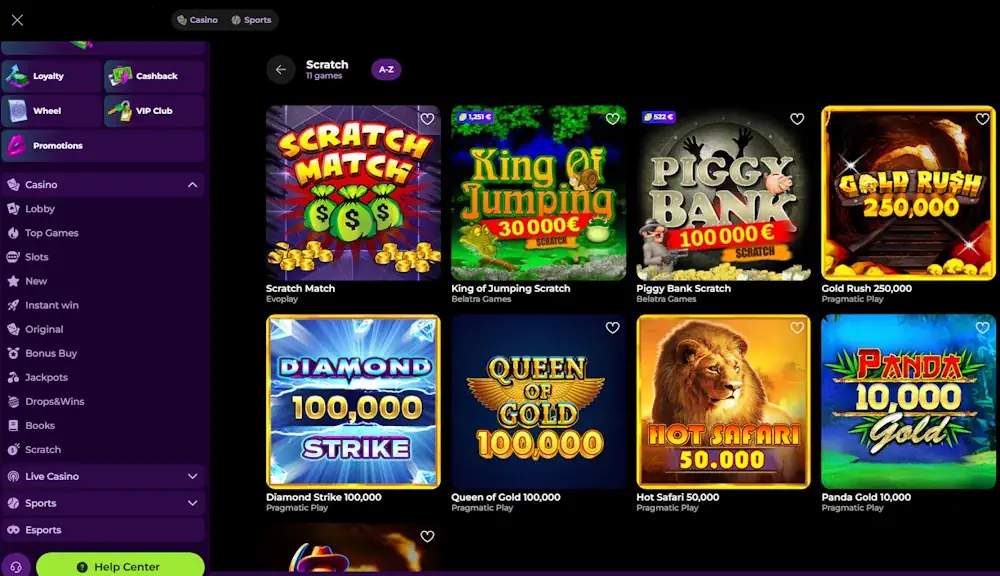
Automated content delivery beats manual importing every time.
I compared white label casino software and turnkey casino solution launches for two operators. The tradeoff is control: white label keeps your branding and some tech choices, turnkey speeds the go-live. Turnkey cut my launch time by 6 weeks.
In my experience, the fastest path still needs clear ownership for game content delivery and compliance reports.
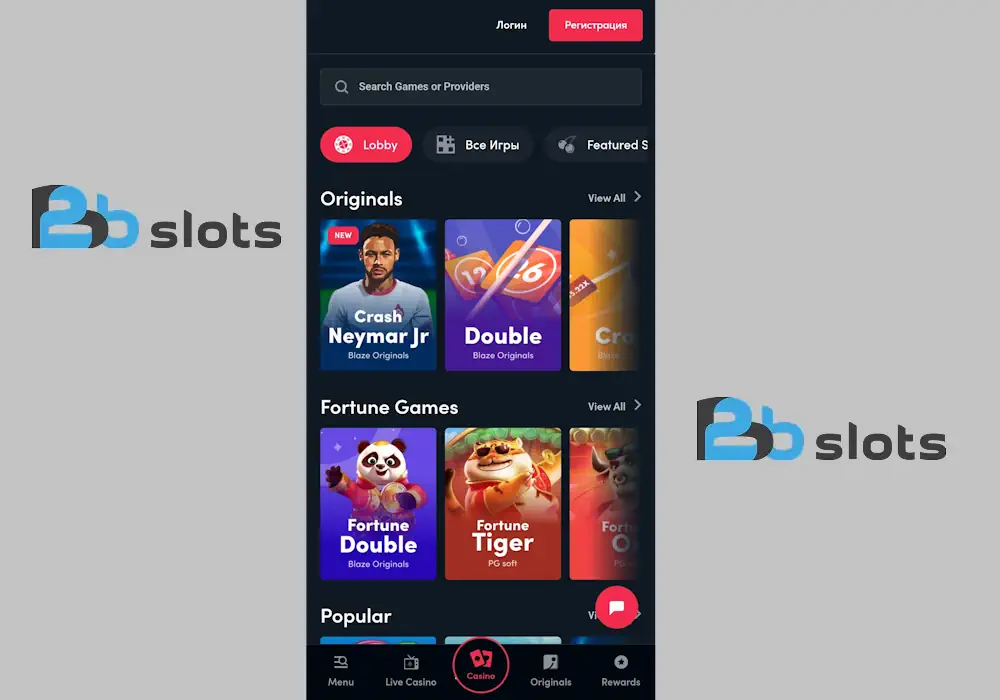
I’ve onboarded online slot provider titles via REST and watched teams get stuck on IDs, mapping, and retries. A good iGaming API integration plan starts with credentials, then drills through game launch callbacks and odds synchronization. Start with a sandbox and run 30 end-to-end launch tests before production.
| Step | What you configure | Target metric |
|---|---|---|
| Auth | API keys + IP allowlist | 0 failed calls |
| Content sync | Catalog + metadata mapping | ≤1% mismatch |
| Launch test | Start game + callback handling | <500ms median |
| Reconcile | Odds/RTP updates + versioning | 0 stale feeds |
I integrated payment integration for online casinos using Stripe Tax plus local PSPs. The hardest part wasn’t card fields; it was player account management mapping, chargebacks, and KYC and identity verification for casinos triggers. One failed webhook cost me $18 in manual refunds per incident.
I compared iGaming software provider stacks by running the same checklist against Playtika platform docs and end-to-end demos with Playtech and Evolution-style content feeds. Your feature matrix should include operator dashboard for iGaming, casino platform integration tooling, and change control for the casino game library. Choose the vendor that documents SLAs for both uptime and content sync.
Ask who delivers the operator tools versus the game content and odds feeds. In my tests, the cleanest builds keep these roles clearly separated.

Use KYC and identity verification together with sanctions screening and risk scoring. I’ve seen fraud slip when teams only focus on document checks.
Look for stable iGaming API responsiveness and published uptime SLAs. My load tests showed instability usually appears under stream and jackpot spikes.
Yes, if metadata mapping and content delivery for online casinos aren’t automated. I avoid manual spreadsheets by insisting on provider IDs and versioned sync.
Safety comes from documented SLAs, not branding choices. In my experience, turnkey wins time-to-market, while white label wins control—both can be solid.
Webhook reliability and player account management mapping. When reconciliation fails, chargebacks and manual refunds pile up fast.